



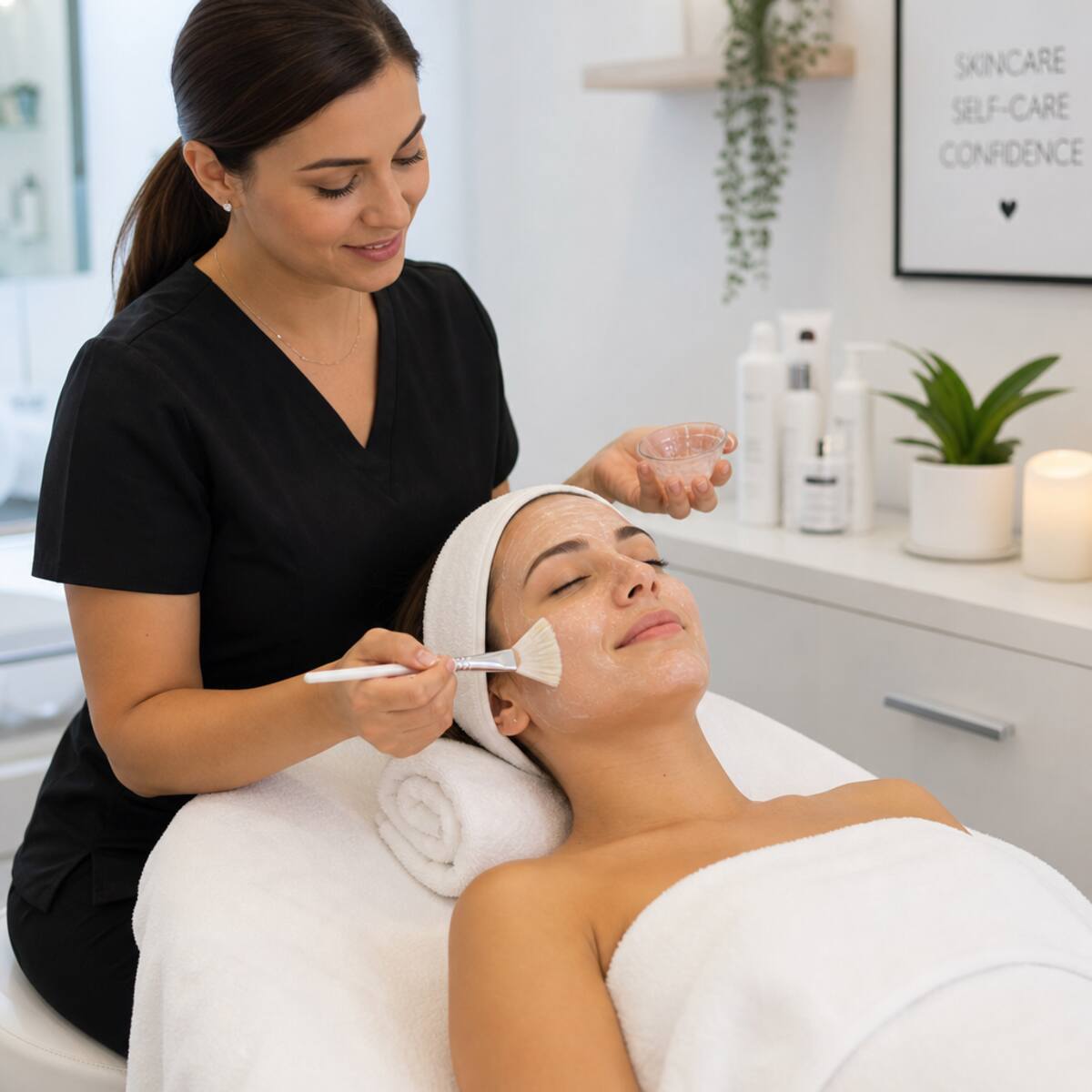
Have you ever looked in the mirror and wished for a magic wand to erase dullness, clear breakouts, or smooth away fine lines? While magic wands might be the stuff of fairy tales, professional skincare comes remarkably close. Welcome to the comprehensive world of Facials, an essential cornerstone of modern aesthetic wellness. What do you need to consider about Facials near me.
For decades, facials were viewed primarily as a luxury—a spa day treat reserved for special occasions or vacations. Today, however, that perception has dramatically shifted. Modern facial treatments are deeply rooted in dermatological science, offering targeted solutions for almost every dermatological issue imaginable. From calming inflamed acne to stimulating collagen for a youthful bounce, professional skincare is now a fundamental part of a comprehensive health and wellness routine.
Whether you are a seasoned spa-goer looking to upgrade your regimen with advanced modalities or a complete beginner wondering where to start, this guide will walk you through everything you need to know. We will explore the intricacies of skin analysis, decode the science behind extractions and exfoliation, compare high-tech treatments, and equip you with the knowledge to maintain that coveted post-spa glow at home.
Table of Contents
Chapter 1: The Foundation of Professional Skincare
Before a single drop of cleanser touches your face, a crucial process must occur: understanding the canvas. The human skin is a complex, dynamic organ that changes with the seasons, our diet, our stress levels, and our age. Therefore, no two Facials should ever be exactly alike.
The Importance of a Licensed Esthetician Skin Analysis
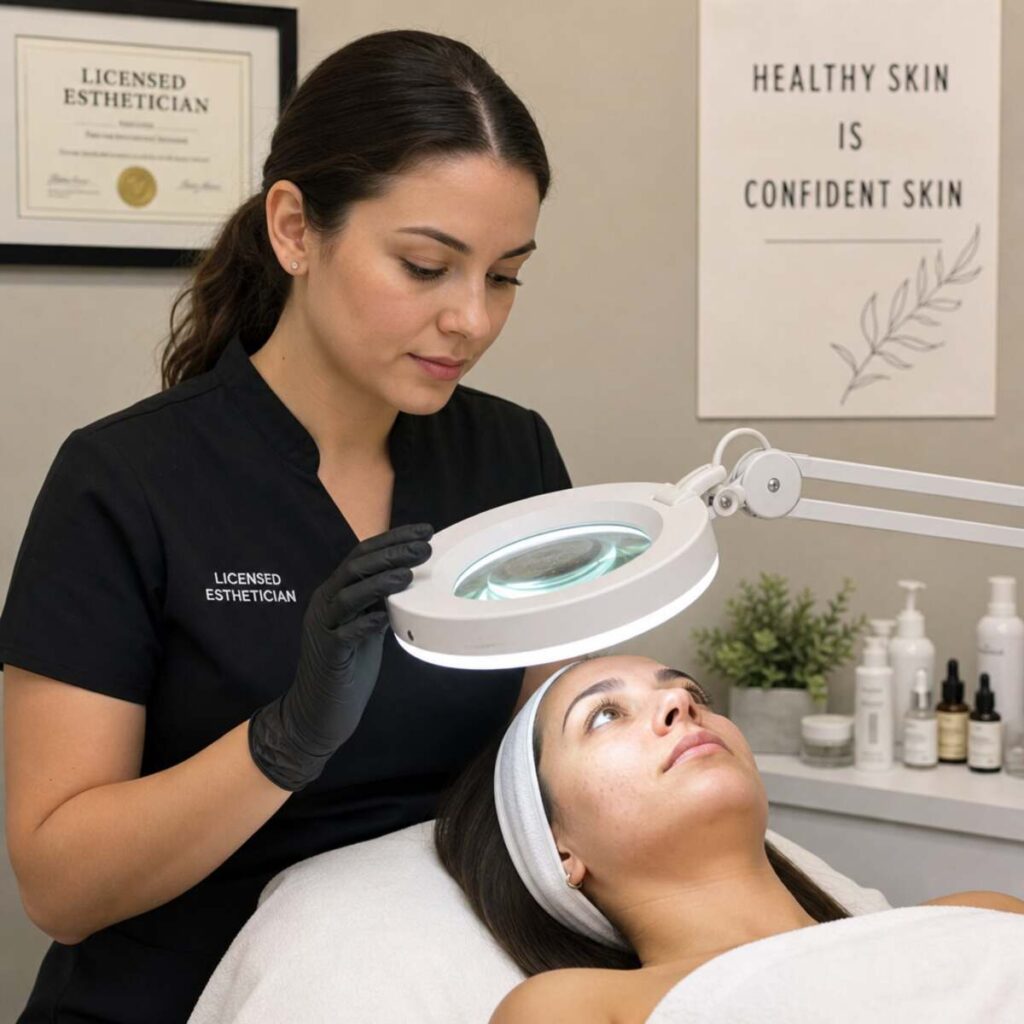
The journey to transformative skin begins with a comprehensive consultation. A licensed esthetician skin analysis is not just a quick glance under a bright light; it is an in-depth investigation into your skin’s past, present, and future.
During this phase, a professional will typically use magnifying lamps and sometimes even a Wood’s lamp (a device that uses ultraviolet light to reveal underlying skin conditions invisible to the naked eye) to assess your skin’s true state. They look for signs of dehydration, impaired lipid barrier, underlying congestion, sun damage, and loss of elasticity.
This step is vital for identifying unique skin concerns that you might not even realize you have. For example, many people confuse dry skin (a lack of oil) with dehydrated skin (a lack of water). Treating dehydrated skin with heavy oils can lead to breakouts, whereas treating dry skin with water-based hydrators will leave it feeling tight and uncomfortable. A professional analysis ensures that the subsequent treatment is perfectly calibrated to your specific physiological needs.
How to Prepare for a Spa Visit
To get the most out of your appointment, preparation is key. Knowing how to prepare for a spa visit ensures not only your comfort but also the treatment’s efficacy and safety.
Actionable Preparation Tips:
- 7 Days Before: Stop using strong active ingredients at home. This includes prescription retinoids (like Tretinoin), over-the-counter retinol, and high-percentage alpha- or beta-hydroxy acids (AHAs/BHAs). These ingredients thin the uppermost layer of dead skin, making you more susceptible to irritation during professional exfoliation.
- 3 Days Before: Avoid excessive sun exposure or tanning beds. Sunburned or highly sensitized skin cannot be safely treated.
- Day of the Appointment: Arrive with a bare face if possible, though your esthetician will thoroughly cleanse your skin regardless. Avoid working out immediately before your appointment, as excessive sweat and an elevated body temperature can make your skin more reactive.
- Mental Prep: Write down your current skincare routine (take photos of your product labels!) and be ready to discuss your diet, water intake, and any medications you are taking, as these heavily influence skin health.
Chapter 2: The Anatomy of a Classic Facial
While advanced technologies have revolutionized the industry, the classic multi-step facial remains the gold standard for maintaining skin health. Let’s break down the step-by-step process of standard facial treatments.
Step 1: The Double Cleanse
The treatment begins with a thorough double cleanse. The first cleanse typically utilizes a lipid-based (oil or balm) cleanser to break down makeup, sunscreen, and excess sebum. The second cleanse uses a water-based gel or cream tailored to your skin type to clean the actual epidermis.
Step 2: Steam and Soften
Following the cleanse, the esthetician will usually introduce warm, gentle steam. The benefits of professional steam treatments are numerous. First, warmth causes vasodilation (the widening of blood vessels), which increases blood circulation, bringing oxygen and nutrients to the skin’s surface.
More importantly, steam softens the stratum corneum (the outermost layer of dead skin cells) and the hardened sebum (oil) trapped within your pores. This softening is absolutely critical; it transforms stubborn blackheads from a hard, wax-like consistency into a softer substance, making the upcoming extraction process vastly more comfortable and less damaging to the surrounding tissue.
Step 3: Professional Exfoliation
Once the skin is prepped, it is time to remove the buildup of dead skin cells. Exfoliation encourages cellular turnover, smooths skin texture, and allows subsequent products to penetrate more deeply. This can be done via enzymatic peels (using fruit enzymes like papain or bromelain to gently dissolve dead skin), physical scrubs, or light chemical solutions.
However, it is crucial to acknowledge the risks of professional exfoliation. If done too aggressively, or if performed on a compromised skin barrier, professional exfoliation can lead to redness, inflammation, and hyperpigmentation. This is exactly why the initial skin analysis is so vital—it determines the safest exfoliation method for your unique skin profile.
Step 4: The Extractions
For many, this is the most anticipated (and sometimes dreaded) part of the treatment. The deep pore extraction process involves manually clearing comedones (blackheads and whiteheads) from the hair follicles.
Using fingers wrapped in cotton, or a sterile metal comedone extractor, the esthetician applies precise, targeted pressure to clear the pore. When performed by a professional, this process is safe and highly effective. Attempting this at home, however, often pushes the bacteria deeper into the follicle, causing severe inflammation, ruptured pore walls, and eventual scarring. Professional extractions leave the pores clear, minimizing their appearance and preventing future breakouts.
Step 5: Facial Massage
Far beyond mere relaxation, facial massage serves a profound physiological purpose. Estheticians are trained in various massage techniques, including Swedish, acupressure, and lymphatic drainage.
Utilizing lymphatic drainage for skin puffiness is a game-changer. The lymphatic system is your body’s waste-removal network, but unlike the circulatory system, it doesn’t have a “pump” (like the heart). It relies on muscle movement and manual manipulation. By using light, rhythmic strokes moving outward and downward toward the lymph nodes in the neck and collarbone, the esthetician manually drains stagnant fluid and toxins. This instantly reduces morning puffiness, sculpts the jawline, and leaves the skin looking incredibly bright and lifted.
Step 6: Targeted Facial Masks
After the skin has been cleansed, cleared, and stimulated, it is primed to absorb active ingredients. This is where facial masks come into play. A professional mask is vastly more potent than what you buy at the drugstore, often formulated with advanced delivery systems to push ingredients deep into the epidermis.
Understanding hydrating vs clarifying mask differences is key to understanding how your treatment is customized:
- Hydrating Masks: Designed for dry, dehydrated, or mature skin. These masks are typically rich in humectants like hyaluronic acid, glycerin, and aloe vera, which draw water into the skin. They also contain emollients such as ceramides and plant oils (jojoba, squalane) to seal in moisture, repair a compromised skin barrier, and leave skin plump and dewy.
- Clarifying Masks: Tailored for oily, congested, or acne-prone skin. These masks often utilize earth clays (kaolin, bentonite) or activated charcoal to draw out excess sebum and impurities like a magnet. They frequently feature ingredients like salicylic acid (a BHA that deeply penetrates the pore lining) and sulfur to calm active breakouts and reduce inflammation without stripping the skin raw.
Step 7: Finishing Serums, Moisturizers, and SPF
The facial concludes with a layering of targeted serums (like Vitamin C for brightening or Peptides for firming), a moisturizer appropriate for your skin type, and, crucially, a broad-spectrum sunscreen. Because your skin has just been exfoliated, it is highly vulnerable to UV damage.
Chapter 3: Elevating Results with Advanced Modalities
While a traditional facial is fantastic for maintenance, sometimes dramatic skin concerns require more intensive interventions. This is the realm of professional skin rejuvenation procedures. Let’s explore the heavy hitters of the treatment room.
Exfoliation Showdown: Chemical Peels vs Microdermabrasion
When clients want to tackle dullness, mild scarring, or uneven texture, they are often presented with two primary options. Understanding the nuances of chemical peels vs. microdermabrasion helps make an informed decision.
Microdermabrasion:
- How it works: This is a purely physical form of exfoliation. A machine uses a wand tipped with crushed diamonds, or sprays a stream of fine aluminium oxide crystals across the skin, simultaneously vacuuming up the dead skin cells and debris.
- Best for: Thick, resilient skin, uneven texture, superficial hyperpigmentation, and clogged pores. The vacuum suction also stimulates blood flow, promoting a short-term plumping effect.
- The downside: It can be too abrasive for sensitive skin, rosacea, or active inflammatory acne (as it can rupture pustules and spread bacteria).
Chemical Peels:
- How it works: This method uses liquid acid solutions (AHAs like Glycolic and Lactic acid, BHAs like Salicylic acid, or deeper TCA peels) to chemically dissolve the “glue” (desmosomes) that hold dead skin cells together.
- Best for: Almost everyone, depending on the acid used. Lactic acid is phenomenal for sensitive and dry skin because it also hydrates; Salicylic acid is the champion for acne; Glycolic is superb for anti-aging and sun damage.
- The downside: Deeper peels require actual “downtime,” where the skin visibly sheds and flakes for several days. Sun avoidance is mandatory post-treatment.
Fighting Gravity: Anti-Aging Skin Tightening Techniques
As we age, our natural production of collagen and elastin—the proteins that give our skin its structure and snap—slows down significantly. To combat this without surgery, estheticians and dermatologists use non-invasive anti-ageing skin-tightening techniques.
- Microcurrent Therapy: Often referred to as a “non-surgical facelift,” microcurrent uses low-voltage electrical currents that mimic the body’s natural electrical frequencies. This stimulates the facial muscles, effectively giving them a “workout” to lift, tone, and re-educate the muscles, while simultaneously boosting ATP (cellular energy) production to stimulate collagen.
- Radiofrequency (RF): RF treatments use energy waves to heat the deep layers of the skin (the dermis). This controlled thermal damage triggers the skin’s wound-healing response, forcing it to produce fresh, new collagen and elastin fibers. Over the course of a few months, the skin becomes noticeably firmer and tighter.
- LED Light Therapy: Red and Near-Infrared LED light penetrates deep into the skin to stimulate fibroblasts (the cells responsible for making collagen). It is completely painless, requires zero downtime, and is incredibly effective for reducing inflammation and fine lines over time.
Erasing the Past: Targeting Uneven Skin Tone
Whether from sunbathing in your twenties, hormonal fluctuations (melasma), or the dark spots left behind by acne (post-inflammatory hyperpigmentation), an uneven skin tone is a primary concern for many.
Treating pigmentation requires patience and the right chemistry. Professionals will look for specific ingredients for hyperpigmentation treatment when formulating your regimen:
- Vitamin C (L-Ascorbic Acid): A potent antioxidant that blocks the enzyme tyrosinase, which is responsible for melanin (pigment) production.
- Kojic Acid: Derived from fungi, this is an excellent, natural skin brightener that effectively fades dark spots without the harsh side effects of hydroquinone.
- Tranexamic Acid: A newer skincare superstar, this ingredient is particularly effective against stubborn melasma. It works by interrupting the pathways that trigger inflammation and pigment production.
- Niacinamide (Vitamin B3): Unlike ingredients that stop pigment production, niacinamide works by preventing the transfer of the pigment to the surface skin cells. It is also incredibly soothing and barrier-strengthening.
Chapter 4: The Post-Treatment Protocol
You’ve invested time and money into a professional treatment. You leave the spa glowing, plump, and radiant. But what happens next is entirely up to you. The results of a facial can be completely undone within 24 hours if proper aftercare is neglected.
Curating Your Post-Treatment Skincare Routine
Immediately following a facial, especially one involving extractions or advanced exfoliation, your skin is in a delicate, sensitized state. Its protective barrier has been temporarily altered, making it highly receptive to products but also highly vulnerable to damage.
A proper post-treatment skincare routine should focus on three pillars: Soothe, Hydrate, and Protect.
The First 24-48 Hours:
- Skip the Gym: Avoid heavy sweating, saunas, and hot yoga. Sweat contains salt and bacteria, which can severely irritate freshly exfoliated skin and cause breakouts in open, extracted pores.
- No Makeup (If Possible): Give your skin time to breathe. If you must wear makeup, ensure your brushes and sponges are immaculately clean, and opt for mineral-based makeup that won’t clog pores.
- Put the Actives Away: Pause your retinols, AHAs, BHAs, Vitamin C serums, and physical scrubs. Using active ingredients on top of a professional exfoliation is a fast track to a damaged skin barrier, chemical burns, and severe peeling.
- Embrace the Bland: Switch to a gentle, hydrating cleanser, a soothing ceramide-rich moisturizer, and a dedicated hyaluronic acid serum.
- Defend Against the Sun: This is non-negotiable. Your skin is highly photosensitive post-facial. Apply a broad-spectrum SPF 30 or higher, wear a wide-brimmed hat, and seek shade. Sun exposure on freshly treated skin will result in rapid hyperpigmentation.
Day 3 and Beyond: As your skin’s barrier stabilizes, you can slowly reintroduce your standard products. However, pay attention to your skin’s cues. If applying your nightly retinol causes stinging or excessive redness, wait another two days.
Chapter 5: Maintenance and Long-Term Strategy
A common question that arises is: how often should one get professional skin treatments? The answer, like most things in skincare, is highly individualized and depends on your specific goals, budget, and skin type.
Deciphering the Ideal Frequency
- For General Maintenance and Anti-Aging: The general rule of thumb endorsed by most dermatologists and estheticians is once a month. This aligns perfectly with the skin’s natural cellular turnover cycle, which takes approximately 28 days. A monthly facial helps sweep away the accumulation of dead cells and keeps the skin functioning optimally.
- For Acne Clearing and Congestion: If you are actively trying to clear stubborn acne, your esthetician might recommend a more aggressive approach initially. This could mean coming in every two weeks for targeted extractions, blue LED light therapy, and mild chemical peels until the breakouts are under control. Once clear, you can drop back to monthly maintenance.
- For Hyperpigmentation and Texture: If you are undergoing a series of chemical peels or microneedling to erase dark spots or scarring, these are typically spaced 3 to 6 weeks apart to allow the skin adequate time to heal and rebuild collagen between sessions.
- For the Budget-Conscious: If monthly visits aren’t feasible, aim for four times a year, at the change of each season. Seasonal shifts drastically affect the skin—moving from the humid summer to the dry, cold winter often wreaks havoc on the skin barrier. A seasonal facial helps recalibrate the skin to its new environment.
Bridging the Gap: At-Home Care
While you can’t perfectly replicate a professional treatment, integrating safe at-home skincare alternatives is essential to maintain your results between spa visits.
Effective At-Home Alternatives:
- At-Home Exfoliation: Swap harsh, jagged walnut scrubs for gentle chemical exfoliants. A 2% BHA (salicylic acid) liquid exfoliant used 2-3 times a week is incredibly effective at keeping pores clear and preventing blackheads between professional extractions.
- Sheet Masks and Cream Masks: Keep a rotation of masks in your cabinet. Apply a hyaluronic acid sheet mask after a long flight, or a gentle kaolin clay mask on your T-zone if you notice mid-month congestion.
- Facial Massage Tools: You don’t need hands of a professional to get lymphatic benefits. Using a chilled Gua Sha stone or a Jade Roller at home, paired with a facial oil for slip, can dramatically reduce morning puffiness and improve blood circulation. Always remember to massage outward and downward toward the collarbones to encourage lymphatic drainage.
- LED Light Masks: While not as powerful as clinical LED panels, FDA-cleared at-home LED masks are highly effective when used consistently. Wearing a red light mask for 10 minutes a day can significantly boost collagen production and reduce inflammation over months.
Chapter 6: Dispelling Common Facial Myths
The beauty industry is rife with misinformation. To truly master your skincare journey, we must debunk some pervasive myths surrounding facial treatments.
Myth 1: “Facials will make me break out.” The Truth: Some people experience a “purge” after a facial. Because a facial deeply stimulates the skin, increases cell turnover, and brings underlying congestion to the surface, you might see a few minor breakouts 24-48 hours post-treatment. This is normal and usually clears quickly. However, a facial should never cause painful, cystic acne or severe rashes. If this happens, it is an allergic reaction to a product or a sign of overly aggressive extractions, not a normal “purge.”
Myth 2: “If my skin isn’t peeling, the treatment didn’t work.” The Truth: This is entirely false. Modern skincare philosophy leans heavily toward “progressive, not aggressive” treatments. Estheticians now use advanced formulations that stimulate cellular turnover and collagen production at the dermal level without causing visible flaking or shedding on the surface. You do not need to look like a shedding snake to achieve profound anti-aging results.
Myth 3: “My pores can open and close with hot and cold water.” The Truth: Pores are not doors; they do not have muscles to open and close. Steam and warm water soften the contents of the pore (making extractions easier), while cold water simply constricts blood vessels (reducing redness and puffiness). The actual physical size of your pore is determined primarily by genetics and age, though keeping them clear of debris makes them appear significantly smaller.
Myth 4: “Extractions stretch out my pores permanently.” The Truth: Improper, aggressive extractions performed at home with dirty fingernails can indeed damage the pore wall and lead to scarring. However, professional extractions safely remove the impaction. In fact, leaving a pore chronically clogged with hardened sebum will stretch the pore out permanently over time. Clearing them out allows the pore to shrink back to its natural size.
Chapter 7: Customizing Facials for Specific Demographics
Skincare is not one-size-fits-all, and different life stages and demographics require drastically different approaches in the treatment room.
Men’s Skincare Needs
Historically, the spa was predominantly a female-centric space, but today, men make up a large share of facial clientele. Men’s skin is anatomically different from women’s; it is typically 20-25% thicker, produces more sebum due to higher testosterone levels, and deals with the daily trauma of shaving.
- The Focus: Men’s facials often focus heavily on deep cleansing, soothing razor burn (folliculitis), and preventing ingrown hairs. Exfoliation is crucial for smoothing a rough texture, and extractions are vital for managing excessive oil production.
Teen Facials
Teenage skin is often characterized by hormonal volatility, leading to sudden, severe breakouts and excess oil.
- The Focus: A teen facial is deeply educational. Beyond gentle extractions and clarifying clay masks, the esthetician spends time teaching the teenager how to properly wash their face, the importance of not picking at blemishes, and the absolute necessity of wearing daily sunscreen. The goal is to build healthy habits that prevent long-term acne scarring.
Pregnancy-Safe Treatments
Pregnancy brings a host of skin changes, from the “pregnancy glow” to melasma (the “mask of pregnancy”) and hormonal acne. However, many standard facial ingredients (like Retinol and high-dose Salicylic Acid) are strictly contraindicated during pregnancy.
- The Focus: Pregnancy facials prioritize safety. Estheticians utilize pregnancy-safe exfoliants like Lactic Acid, soothing oat-based masks for increased sensitivity, and vitamin C to safely combat hormonal hyperpigmentation.
The Financial Investment: Are Facials Worth It?
When budgeting for personal wellness, many wonder if professional facial treatments are truly worth the financial investment, especially when high-quality skincare products are so readily available at retail.
The short answer is: Yes, but with caveats.
Think of your daily skincare routine as brushing and flossing your teeth. It is the non-negotiable daily work required to maintain basic health and prevent decay. Think of a facial as your biannual trip to the dentist for a professional cleaning. Your toothbrush simply cannot reach the hardened plaque that a hygienist’s tools can.
Similarly, your at-home cleanser and serums cannot mimic the deep pore purging, the professional-grade acid exfoliation, or the collagen-stimulating modalities of a clinical treatment. A professional facial provides a clean, perfectly balanced canvas, which actually makes your expensive at-home serums work better because they can finally penetrate deeply into the skin rather than sit on a layer of dead skin cells.
However, a facial is not a magic cure-all that allows you to neglect your skin for the remaining 29 days of the month. The true magic happens at the intersection of consistent, high-quality daily care and strategic, professional clinical interventions.
Conclusion: Empowering Your Skin Journey
Embarking on a journey to better skin through professional Facials is one of the most rewarding investments you can make in your overall confidence and health. The landscape of aesthetics has evolved far beyond simple pampering; it is a sophisticated blend of biology, chemistry, and technology designed to optimize your skin’s natural functions.
By understanding the vital importance of a professional consultation, decoding the science behind exfoliation and extractions, and committing to a diligent post-treatment routine, you transition from being a passive spa client to an empowered advocate for your own skin health.
Remember, perfect skin is an illusion, but healthy, resilient, and glowing skin is entirely achievable. Whether you are battling adult acne, looking to soften the hands of time, or simply seeking an hour of profound relaxation, there is a facial treatment perfectly tailored to your needs. So book that appointment, prepare properly, trust your licensed professional’s expertise, and get ready to face the world with your best skin yet.
