


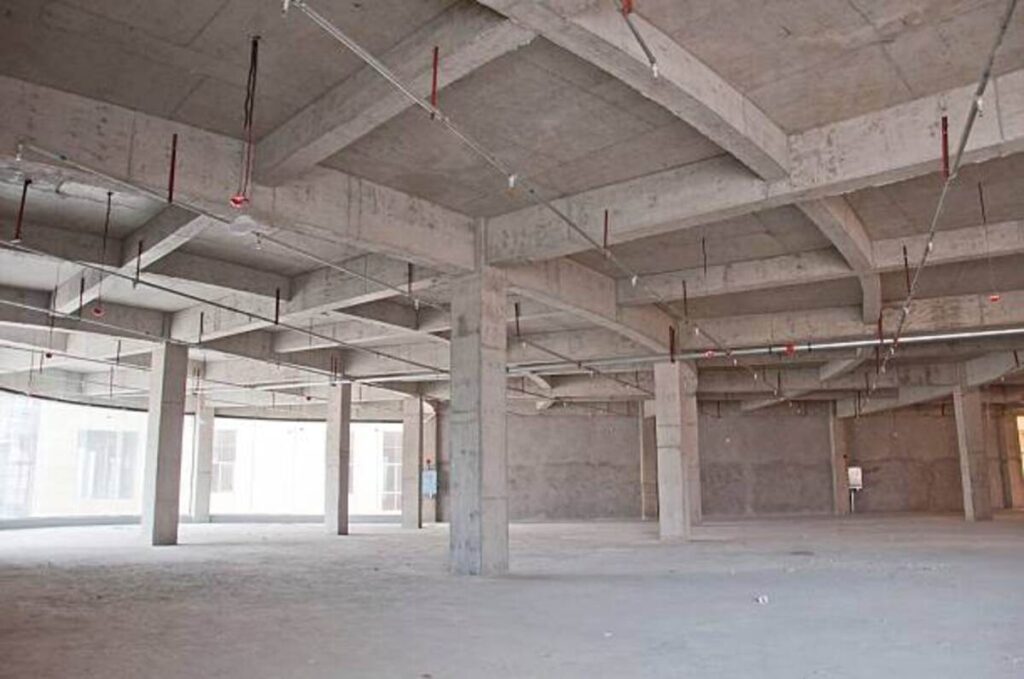
In today’s urban landscape, where high-rise developments and modern architectural designs dominate, ensuring the structural integrity and safety of buildings is more critical than ever. As a construction contractor with years of hands-on experience in Sydney’s competitive market, I’ve witnessed firsthand the transformative impact of advanced fire protection systems. One solution that stands out is intumescent painting—a specialised coating that not only enhances the fire resistance of steel structures but also maintains the aesthetic appeal of modern designs.
By understanding the science behind intumescent coatings, meticulously planning each stage of the process, and applying best practices gleaned from diverse projects in Sydney, construction contractors can deliver fire-safe, aesthetically superior structures that meet the evolving demands of modern architecture. This integration of innovative materials and precise execution underscores the importance of continuous improvement in the field of construction, setting the standard for fire protection and excellence in every project.
Table of Contents
What is Intumescent Paint?
Intumescent paint is a fireproofing material that plays a crucial role in protecting structural steel. Unlike traditional fireproofing methods that rely on thick, heavy coatings or insulation boards, intumescent coatings are designed to be applied as a thin layer. When exposed to high temperatures during a fire, the paint undergoes a chemical reaction that causes it to swell, or “intumesce,” forming a thick, insulating char. This char acts as a barrier, slowing the rate of heat transfer and helping to maintain the structural integrity of the steel for a designated period.
How It Works
The magic of intumescent paint lies in its chemical composition. Typically, the formulation includes binders, acids, blowing agents, and carbon sources. Under normal conditions, the coating remains stable and adherent to the steel surface. However, once a critical temperature is reached—usually between 200°C to 250°C—the chemical reaction initiates. The blowing agent decomposes and releases gases, while the acid catalyses the reaction of the carbon source. The result is a foam-like char layer that expands many times its original thickness. This char insulates the steel, delaying the temperature rise and thereby reducing the risk of structural failure during a fire.
Key Benefits
- Enhanced Fire Resistance: The primary benefit of intumescent paint is its ability to extend the fire resistance rating of steel structures without adding significant weight or bulk.
- Aesthetic Appeal: Unlike heavy, bulky fireproofing materials, intumescent coatings are typically applied as a smooth, attractive finish that can be painted over, making them ideal for both exposed and concealed steelwork.
- Versatility: They can be used in a variety of settings, from high-rise office buildings to industrial facilities and heritage conservation projects.
- Cost-Effective: While the material itself might be slightly more expensive than traditional paints, the reduced labour and substrate preparation costs, coupled with the long-term benefits of enhanced fire safety, often justify the investment.
The Step-by-Step Process of Intumescent Painting
Achieving a successful intumescent painting job requires meticulous attention to detail at every stage of the process. Here’s an in-depth look at the key steps involved:
1. Assessment and Planning
Before any work begins, a thorough assessment of the structure is essential. This includes:
- Substrate Analysis: Evaluating the condition of the steel surfaces to determine if any repairs or additional treatments are needed.
- Environmental Considerations: Considering factors such as ambient temperature, humidity, and potential exposure to corrosive environments.
- Fire Rating Requirements: Confirming the required fire resistance rating as specified by local building codes and the project’s fire safety plan.
- Project Scheduling: Coordinating with other contractors to ensure that the intumescent coating is applied at the right stage of construction to avoid any subsequent damage or interference.
A well-laid plan helps minimise delays and ensures that every aspect of the project complies with both safety standards and client specifications.
2. Surface Preparation
Surface preparation is arguably the most critical phase of the process. A properly prepared surface ensures optimal adhesion and performance of the intumescent coating. Key activities include:
- Cleaning and Degreasing: Removing all traces of oil, grease, and contaminants using industrial-grade degreasers. Any residues can compromise the bond between the coating and the steel.
- Mechanical Abrasion: Using techniques such as sandblasting or grinding to remove rust, old coatings, and any irregularities on the steel surface. This step not only cleans the surface but also creates a rough profile that promotes better adhesion.
- Drying: Ensuring that the surface is completely dry before the application of any primer or paint. Moisture can lead to adhesion failure and reduce the effectiveness of the fire protection.
- Inspection: A final inspection is conducted to ensure that the surface is uniformly clean and free from any defects that might affect the coating’s performance.
3. Primer Application
Primers serve as a crucial intermediary layer between the steel substrate and the intumescent paint. Their functions include:
- Enhanced Adhesion: The primer bonds well with both the steel and the intumescent coating, ensuring that the latter adheres securely.
- Corrosion Protection: Many primers are formulated to provide additional protection against corrosion, which is particularly important in Sydney’s coastal and industrial environments.
- Uniform Base: A primer creates a consistent base that helps in achieving a smooth and even finish once the intumescent paint is applied.
Typically, a high-performance epoxy primer is selected due to its robust adhesion properties and excellent durability under harsh conditions.
4. Application of Intumescent Paint
With the substrate fully prepared and primed, the intumescent paint can be applied. This stage involves several critical steps:
- Mixing: Intumescent paints must be mixed thoroughly to ensure that the chemical components are evenly distributed. Any inconsistencies in the mixture can lead to uneven performance.
- Application Technique: Depending on the project’s scale and the complexity of the surface, intumescent paint can be applied using brushes, rollers, or spray equipment. For large commercial or industrial projects, spraying is typically preferred for its speed and uniform coverage.
- Multiple Coats: To achieve the desired fire rating, multiple layers of intumescent paint may be required. Each coat must be allowed to dry for the manufacturer’s recommended duration before the next layer is applied. The cumulative thickness is directly related to the coating’s fire resistance.
- Environmental Control: Temperature and humidity play significant roles in the curing process. In Sydney’s variable climate, ensuring that the working environment remains within optimal conditions is vital for the coating’s performance.
- Quality Checks: During and after application, quality control measures such as dry film thickness testing are employed to verify that the coating meets the specified requirements.
5. Inspection and Certification
After the coating has been applied and fully cured, a final round of inspections is carried out. This includes:
- Visual Inspections: To check for uniformity, any defects, or inconsistencies in the coating.
- Adhesion Tests: To confirm that the intumescent paint has properly bonded to the substrate.
- Fire Resistance Testing: In some projects, samples may be sent for laboratory fire resistance testing to certify that the installation meets the requisite standards.
- Documentation: All inspection and test results are documented and provided to the client, ensuring transparency and compliance with local building codes and insurance requirements.
Project Examples from Sydney
To illustrate the practical applications and benefits of intumescent painting, let’s explore a few project examples from Sydney that showcase its versatility and effectiveness.
Project Example 1: Modern High-Rise Office Building in the CBD
In the heart of Sydney’s central business district, a new high-rise office tower was developed to accommodate multinational corporations. With its sleek, modern design and expansive glass façade, the building presented unique challenges in integrating robust fire protection without compromising aesthetics.
Challenges:
- The building’s steel framework required enhanced fire resistance due to its exposed structural elements.
- The design called for a minimalistic finish that did not detract from the overall visual appeal of the interior and exterior spaces.
Process:
- Surface Preparation: The structural steel underwent extensive sandblasting and cleaning to ensure optimal adhesion.
- Primer and Coating Application: A high-performance epoxy primer was applied, followed by three coats of intumescent paint using state-of-the-art spray equipment. This method ensured a smooth, even finish that complemented the building’s modern look.
- Quality Control: Dry film thickness measurements and adhesion tests were conducted, with all results exceeding the required fire resistance standards.
Outcome:
The use of intumescent paint not only achieved the desired fire rating but also provided a sleek finish that aligned perfectly with the building’s design ethos. The project was completed on schedule, earning praise from both the client and regulatory bodies for its innovative approach to fire safety.
Project Example 2: Heritage Conservation in The Rocks
Preserving Sydney’s historical buildings is a delicate balance between maintaining heritage aesthetics and upgrading safety standards. A heritage conservation project in The Rocks area presented the unique challenge of protecting aged steel structures without altering the building’s original character.
Challenges:
- The historical significance of the building required that any interventions be minimally invasive and visually unobtrusive.
- The existing steel framework, although robust, needed modern fire protection to comply with current safety standards.
Process:
- Tailored Surface Preparation: Given the building’s age, special care was taken to clean and prepare the steel surfaces without causing damage to the original material.
- Specialised Coating System: A primer and intumescent coating system specifically formulated for heritage structures was used. The product selection emphasised low build and high performance, ensuring that the final appearance remained true to the original design.
- Meticulous Application: The intumescent paint was applied in multiple thin layers to maintain a subtle finish while achieving the necessary fire resistance. Each layer was carefully monitored and tested to ensure compliance with both aesthetic and safety requirements.
Outcome:
The project successfully upgraded the building’s fire safety rating without compromising its heritage value. This approach not only preserved the historical character of the building but also set a new benchmark for fire protection in conservation projects across Sydney.
Project Example 3: Industrial Facility in Western Sydney
An industrial complex located in Western Sydney required a robust fire protection solution for its extensive steel framework and machinery. In such facilities, minimising downtime and ensuring continuous operations are paramount, making the reliability of intumescent coatings critical.
Challenges:
- The facility’s operational environment exposed the steel structures to harsh conditions, including temperature fluctuations, moisture, and chemical exposure.
- The project had to be completed with minimal disruption to ongoing operations.
Process:
- Extensive Surface Preparation: The steel components were thoroughly cleaned and degreased, with special attention given to areas that had been exposed to corrosive substances.
- Efficient Application: Using spray equipment, the intumescent paint was applied in a controlled manner during scheduled maintenance periods to minimise impact on production.
- Rigorous Testing: Post-application, rigorous adhesion and fire resistance tests were carried out to ensure that the coatings would perform reliably under industrial conditions.
Outcome:
The intumescent painting process not only enhanced the fire safety of the facility but also contributed to longer-lasting protection for the steel structures. The minimal downtime during application was highly appreciated by the facility managers, reinforcing the value of planning and precision in industrial projects.
Benefits and Considerations of Intumescent Coating in Construction
From the project examples above, several key benefits of using intumescent paint in construction emerge:
- Aesthetic Integration: Intumescent coatings are designed to be thin and flexible, making them ideal for projects where maintaining an attractive finish is as important as achieving fire safety.
- Cost Efficiency: Although the initial material cost may be higher than traditional coatings, the reduced labor time, minimised substrate preparation, and extended lifespan of the protection system offer considerable long-term savings.
- Enhanced Safety: The reliable performance of intumescent paint under fire conditions ensures that steel structures remain protected, thereby significantly reducing the risk of catastrophic structural failure.
- Versatility: Whether it’s a modern high-rise, a heritage building, or an industrial facility, intumescent coatings can be adapted to meet the unique demands of each project.
However, there are also considerations to keep in mind. The application process requires skilled labour and strict adherence to manufacturer guidelines. Environmental factors such as temperature and humidity must be carefully controlled during application to ensure optimal performance. Additionally, regular inspections and maintenance are recommended to address any wear or potential damage over time.
Best Practices and Lessons Learned
Drawing on years of experience, several best practices have emerged that can help contractors maximise the benefits of intumescent painting:
- Thorough Training: Ensuring that application teams are well-trained on the specific product and application techniques is critical. This not only enhances quality but also minimises the risk of errors that could compromise fire protection.
- Close Collaboration: Working closely with suppliers and manufacturers can provide valuable insights into product performance, optimal application conditions, and troubleshooting common issues.
- Detailed Planning: From initial assessments to final inspections, a detailed plan that covers every aspect of the process is essential. This minimises downtime, reduces costs, and ensures compliance with safety regulations.
- Quality Control: Implementing rigorous quality control measures—including regular inspections, adhesion tests, and dry film thickness measurements—ensures that the finished coating meets all required standards.
- Documentation: Keeping detailed records of surface preparation, application procedures, and inspection results not only aids in project management but also provides evidence of compliance for regulatory audits.
The Final Word
Intumescent painting represents a sophisticated and effective solution for enhancing fire safety in modern construction projects. Its ability to protect structural steel through a chemical reaction that creates a robust insulating barrier is a testament to the innovation that is continually shaping the building industry. As we’ve seen through examples in Sydney—from high-rise office towers in the CBD to heritage conservation projects in The Rocks and industrial facilities in Western Sydney—the benefits of intumescent coatings are both practical and far-reaching.
For construction contractors, the process begins with meticulous planning and detailed surface preparation, followed by precise application and rigorous quality control. Each stage of the process is critical to ensuring that the coating performs as expected under fire conditions. By adhering to best practices and continuously learning from project experiences, contractors can not only meet but exceed fire safety standards while also preserving the aesthetic and structural integrity of the building.
Looking to the future, the evolution of intumescent coatings promises even greater performance and sustainability. As new formulations and smart technologies emerge, these coatings will undoubtedly continue to play a pivotal role in protecting lives, property, and the legacy of Sydney’s iconic architectural landscape.
Whether you’re a contractor embarking on a new high-rise development or involved in the restoration of a heritage landmark, intumescent painting offers a robust, efficient, and aesthetically pleasing solution to meet today’s stringent fire safety requirements. With continued innovation and adherence to best practices, intumescent coatings will remain at the forefront of fire protection technology—an indispensable asset in modern construction.
In summary, the journey from surface preparation to final inspection may be complex, but the rewards are significant: enhanced safety, durability, and a refined finish that supports the overall design ethos of the project. By embracing this technology and investing in quality application processes, construction professionals in Sydney are not only safeguarding structures, but also setting new benchmarks for excellence in fire protection.
As we move forward, the commitment to continuous improvement and adaptation in fire safety measures will be key to ensuring that Sydney’s skyline remains both impressive and secure. Intumescent painting is just one example of how advanced materials and innovative techniques can converge to create safer, more resilient buildings. For any contractor looking to deliver projects that stand the test of time—both in terms of performance and style—intumescent coatings offer a proven, future-ready solution.
By keeping abreast of emerging trends, investing in training, and meticulously planning every phase of the process, construction teams can maximise the benefits of intumescent painting while mitigating potential risks. The end result is a robust fire protection system that not only complies with regulatory standards but also enhances the overall value and longevity of the property.
In the dynamic environment of Sydney’s construction industry, where every project presents unique challenges and opportunities, intumescent painting stands as a testament to the integration of safety, innovation, and aesthetic excellence. It is a practical solution with far-reaching implications, ensuring that the structures we build today are not only visually appealing but also equipped to withstand the unpredictable nature of fire hazards.
Ultimately, whether you’re protecting a modern glass-and-steel skyscraper, preserving a piece of history, or fortifying an industrial complex, intumescent painting is an investment in safety and sustainability—a commitment to building a future that is as secure as it is spectacular.
Read also: Advantages of Installing a Synthetic Lawn